
2025 Congo Basin Assessment Report
Resilience and Sustainability in the Congo Basin
Retracing the Past, Looking to the Future
- Ch 1. Introduction
- Ch 2. Geology and Geodynamics Evolution of the Congo Basin
- Ch 3. Climate of the Congo Basin
- Ch 4. The Evolution of Congo Basin Ecosystem Biodiversity
- Ch 5. The Hydrology of the Congo Basin
- Ch 6. Hydrology of the Ogooué and Sanaga Watershed Systems
- Ch 7. Central African Rainforest Archaeology
- Ch 8. Human Occupation of the Congo Basin
- Ch 9. Critical Interconnections Between Cultural and Biological Diversity
- Ch 10. The Ecological Functions and Basin-wide Carbon Cycle
- Ch 11. Global, Regional, and National Economic Drivers of Deforestation
- Ch 12. Agriculture and ecosystem functions and services
- Ch 13. Pastoralism, access to land and ecosystem functions and services
- Ch 14. Timber Production and Ecosystem Functions and Services
- Ch 15. Mining and Ecosystem Functions and Services
- Ch 16. Hunting, Fishing and Ecosystem Functions and Services
- Ch 17. Climate Change and Ecosystem Functions and Services
- Ch 18. Urbanization, Biodiversity, Ecosystem Functions and Services
- Ch 19. History, Development, and Politics of Protected Areas
- Ch 20. Ecosystem functions and services
- Ch 21. Effects of Diseases on wildlife Species
- Ch 22. Human influence on Current Status of Biodiversity
- Ch 23. Opportunities and Potential for Sustainable Development
- Ch 24. The future of Biodiversity in the Congo
- Ch 25. What might influence economic forecasts for the Congo Basin?
- Ch 26. How Could Agricultural Policies and Practices Influence the Future of the Basin?
- Ch 27. How Could Logging Policies and Practices Influence the Future of the Basin?
- Ch 28. How Could Hunting and Fishing Policies and Practices Influence the Future of the Basin?
- Ch 29. Mining Influence on the Future of the Basin
- Ch 30. Cities, Infrastructure, Energy, and the Future of the Basin
- Ch 31. Future Risks of Disease Emergence in Humans, Wildlife, and Livestock
- Ch 32. The Climate and Land-Use Change Feedback
- Ch 33. Spatial Dimensions of Existing Conservation Areas and Other Land Uses
- Ch 34. Tapping into Indigenous and Local Knowledge to Increase Understanding of Its Ecology
- Ch 35. Nature-Based Solutions in the Congo Basin
- Ch 36. Solutions of Global, International, Regional, and National Economic Initiatives
- Ch 37. The Potential for Restoring and Rewilding Degraded Ecosystems
- Ch 38. Natural Resource Management Policies in the Congo Basin
- Ch 39. Trends Protected Areas Will Take in the Context of 30 × 30
- Ch 40. The 2050 Foresighted Congo Basin
Section 1
The Congo Basin as a Regional Entity in the Earth System
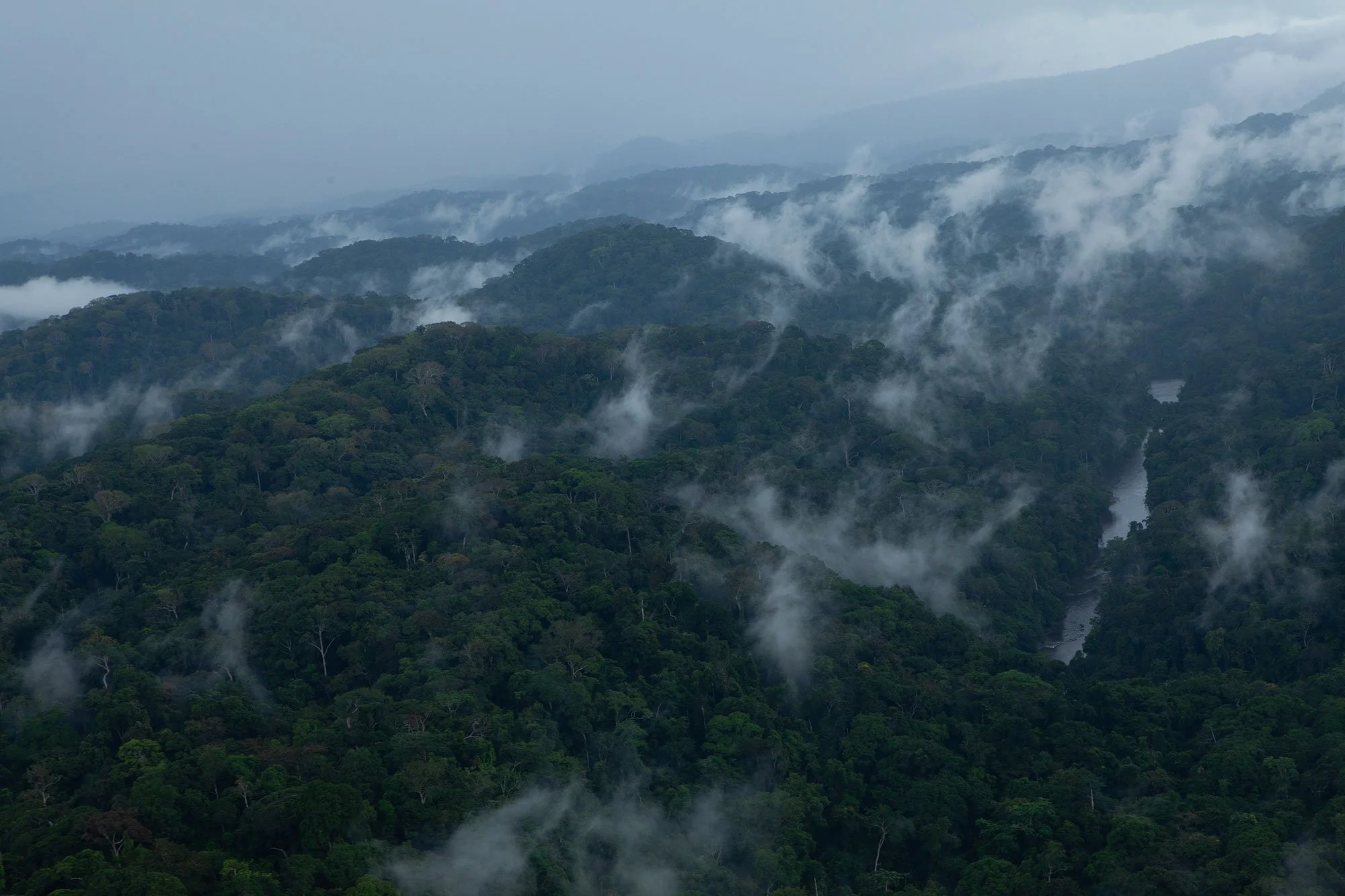
Photography by Josh Ponte.
Chapter 1. Introduction: Congo Basin Resilience and Sustainability - From Past to Future
Abstract
This chapter introduces the 2025 Congo Basin Assessment Report, discusses the multiple definitions of the Congo Basin, defines the limits of the Congo Basin covered by the report, discusses issues of indigeneity, and describes the regional scientific capacities. The chapter argues that the best way to define the Congo Basin is to use the regional ecological features rather than focusing on the political delimitation or focusing narrowly on the basin of the Congo River itself. Broadening the question of who indigenous communities are and who they are not, the chapter argues that the name Pygmy is contested and that the politics of identity is both complex, contextual, layered, plural, and varied; calling, therefore, for caution in ways they should be used. Rather than going into detailed contents, the chapter briefly summarizes the biodiversity metrics in the Congo Basin, presents the four sections of the report and overall spirit that guided the writing up process, and provides the current status of the available capacities to conduct research in the Congo Basin.
Authors
Bila-Isia Inogwabini
Swedish University of Agricultural Sciences, Uppsala (Sweden) and School of Management, Catholic University of Congo, Kinshasa, Democratic Republic of Congo
bila_inogwabini@biari.brown.edu
Birgit Ricquier
Centre de recherche en linguistique and Centre d’anthropologie culturelle, Université libre de Bruxelles, Brussels, Belgium
Aida Cuni-Sanchez
York Institute for Tropical Ecosystems, Department of Geography and Environment, University of York, York, North Yorkshire, UK
Department of International Environment and Development Studies (Noragric), Norwegian University of Life Sciences (NMBU), Ås, Norway
Bonaventure Sonké
Department of Biology, Université de Yaounde 1, Yaoundé, Cameroon
Lydie-Stella Koutika
Soil and Environment, Soil Care and Environmental Studies (SCES), Pointe-Noire, Republic of the Congo
Stephanie Rupp
Lehman College, City University of New York, New York, USA
Lee J. T. White
University of Stirling, School of Natural Sciences, Stirling, UK
Institut de Récherche en Ecologie, Tropicale, Gabon
The Congo Basin is a vast intracratonic sedimentary basin in Central Africa, covering about 3.7 million km2. It plays a critical role in global biodiversity and carbon storage, supporting the world’s second-largest rainforest and a major tropical peat carbon reserve. This chapter offers an overview of the basin’s geology and geodynamic evolution, focusing on its formation, structural features, and sedimentary processes. The basin’s geological history is tied to major tectonic events, including the Pan-African orogeny (~600–500 Ma), the breakup of Gondwana, and later extensional tectonics. It is underlain by an Archean to Mesoproterozoic basement formed through successive orogenic cycles. The Congo Basin developed as an intracratonic depression influenced by rifting and subsidence, resulting in thick sedimentary accumulations from the Meso-Neoproterozoic to the Cretaceous. Geophysical data reveal a complex internal structure marked by tectonic reactivation. Lateritic covers and regolith formations provide insight into long-term weathering and erosion, important for reconstructing past climate and environmental changes. The basin is also rich in geological resources, including hydrocarbons, metals, and weathering-derived deposits of economic value. This synthesis highlights the need for an interdisciplinary approach to studying the Congo Basin, integrating geological, hydrological, and ecological dimensions. A deeper understanding of its evolution is vital for sustainable resource management, conservation, and evaluating its role in global biogeochemical cycles.
Chapter 2. Geology and Geodynamics Evolution of the Congo Basin
Abstract
Authors
S. Audry
Géosciences Environnement Toulouse, IRD-CNRS-UPS, Toulouse, France
stephane.audry@get.omp.eu
D. Franck
Prairie Research Institute, Illinois State Geological Survey, University of Illinois Urbana-Champaign, Urbana, IL, USA
fdelpomd@illinois.edu
D. Damien
Département des Sciences de la Terre, Royal Museum for Central Africa (AfricaMuseum), Tervuren, Belgium
damien.delvaux@africamuseum.be
M. Pascal
Département de Géologie, Faculté des Sciences et Technologie, Université de Lubumbashi, Lubumbashi, Democratic Republic of the Congo
N. Mathieu
IRGM, Yaoundé, Cameroon
T. Denis
BRGM, Orléans, Cedex 02, France
This chapter provides an overview of the current understanding of the key features of the Congo Basin’s climate. It presents the main features that characterize the dynamics of air masses, the hydrological cycle, and the spatial and temporal variability of precipitation. The lower tropospheric circulation is dominated by low-level westerlies, which transport moisture from the Atlantic Ocean inland and sustain deep convection and rainfall throughout the year. This moist air converges with dry easterly air along the Congo Air Boundary, marking the southern limit of convection. Mass convergence causes ascent and warming of moist air parcels, destabilizing the atmosphere and causing upward motion. This is balanced by a mid-tropospheric easterly flow, leading to a shallow east-west overturning circulation known as the Congo Basin cell. Although the cell does not regulate rainfall, it may play a role in rainfall distribution through the position of the rainfall maximum. Mesoscale convective systems (MCSs) are the principal rainfall producers, accounting for up to 80% of annual precipitation and contribute to exceptionally high lightning activity. The hydrological cycle is strongly modulated by evapotranspiration and rainfall recycling, with evidence that local vegetation contributes significantly to atmospheric moisture supply. Regional climate variability reflects complex teleconnections with Atlantic, Indian, and Pacific Ocean sea-surface temperature, though the strength and consistency of these links remain debated. A persistent challenge is the scarcity of reliable, long-term observational data, particularly rainfall and upper-air records, which undermines model validation and projection accuracy. Addressing these gaps is essential for improving climate prediction and informing sustainable management of this critical climate-regulating region.
Chapter 3: Climate of the Congo Basin
Abstract
Authors
W. Pokam
Department of Physics, Higher Teacher Training College, University of Yaounde 1, Yaounde, Cameroon
Laboratory for Environmental Modelling and Atmospheric Physics, Department of Physics, Faculty of Sciences, University of Yaounde 1, Yaounde, Cameroon
S. Nicholson
Department of Earth, Ocean and Atmospheric Sciences, Florida State University, Florida, USA
D. Vondou
Laboratory for Environmental Modelling and Atmospheric Physics, Department of Physics, Faculty of Sciences, University of Yaounde 1, Yaounde, Cameroon
G. Kuete
Laboratory for Environmental Modelling and Atmospheric Physics, Department of Physics, Faculty of Sciences, University of Yaounde 1, Yaounde, Cameroon
T. Stella
Laboratory for Environmental Modelling and Atmospheric Physics, Department of Physics, Faculty of Sciences, University of Yaounde 1, Yaounde, Cameroon
G.-N. Longandjo
Department of Oceanography, Nansen-Tutu Centre for Environmental Marine Research, University of Cape Town, Rondebosch, South Africa
Department of Meteorology, Institut Supérieur des Techniques Appliquées, Kinshasa, Democratic Republic of Congo
M. Guenang
Department of Physics, Faculty of Science, University of Dschang, Dschang, Cameroon
Laboratory for Environmental Modelling and Atmospheric Physics, Department of Physics, Faculty of Sciences, University of Yaounde 1, Yaounde, Cameroon
R. Tanessong
Department of Meteorology and Climatology, Higher Institute of Agriculture, Forestry, Water and Environment, University of Ebolowa, Ebolowa, Cameroon
Laboratory for Environmental Modelling and Atmospheric Physics, Department of Physics, Faculty of Sciences, University of Yaounde 1, Yaounde, Cameroon
Chapter 4: The Evolution of Congo Basin Ecosystem Biodiversity
Abstract
The Congo Basin is a biologically diverse and dynamic terrestrial region composed of a central rainforest block flanked by savanna-forest ecotone. Embedded within this region are the Congo, Ogooué, and Sanaga which constitute the most biodiverse river systems in Africa. Although the Congo Basin is dominated by lowland forest, it also harbors a variety of terrestrial and freshwater ecosystems. Forests and associated savannas have been shaped by both abiotic and anthropogenic influences and differ in terms of their hydrology, elevation, and soil type. Current species distributions are complex and are thought to have been shaped by both historical and ecological factors. Major drivers of speciation are thought to have resulted from either geographic isolation through past refugia, riverine barriers or divergence across environmental gradients. Both genetic and genomic tools can help to refine taxonomy, identify unique evolutionary lineages, and understand the historical and ecological factors that have led to the rich biodiversity that we see today. Genetic tools are increasingly being applied to conservation efforts, including tracking and curbing the illegal wildlife trade. Genomic techniques also offer powerful means to preserve biodiversity in the face of climate change and identify populations with the greatest potential to adapt. This approach can inform placement of new protected areas to enhance species resilience and reduce extinction risk. Despite the potential of genomic tools, their integration into conservation planning remains in its infancy and will require expertise and long-term investment. Future efforts should focus on developing a road map for incorporating genomic data into conservation strategies along with fostering stronger communication between researchers and practitioners. Lastly, many species in the Congo Basin await discovery and for most groups, there is a backlog of species awaiting description. Developing regional expertise is needed to address this taxonomic impediment.
Authors
N. M. Anthony
University of New Orleans, New Orleans, LA, USA
nanthony@uno.edu
C. A. Boupoya
Herbier National du Gabon, Libreville, BP, Gabon
A. Freedman
Harvard University, Cambridge, MA, USA
O. Hardy
Université Libre de Bruxelles, Brussels, Belgium
N. Texier
Université Libre de Bruxelles, Brussels, Belgium
B.-I. Inogwabini
Swedish University of Agricultural Sciences, Uppsala, Sweden and School of Management, Catholic University of Congo, Kinshasa, Democratic Republic of Congo
S. Lewis
University of Leeds, Leeds, UK
J. H. Lowenstein
Dogen Institute, Gyobutsuji, AR, USA
A.-M. Lezine
Université Sorbonne, Paris, France
S. Saatchi
California Institute of Technology, Pasadena, CA, USA
T. Smith
University of California Los Angeles, Los Angeles, CA, USA
G. Walters
University of Lausanne, Lausanne, Switzerland
Chapter 5: The Hydrology of the Congo Basin
Abstract
The chapter provides a comprehensive review of the hydrology of the Congo River Basin (CRB), emphasizing its physical features, current data and models, hydrological processes, environmental pressures, and the evolving scientific understanding. Water resources of the CRB support vital ecosystem and societal services that include agriculture, fisheries, hydropower, navigation, water supply, biodiversity conservation, and maintenance of vulnerable ecosystems such as peatlands and flooded forests that are crucial for carbon storage and climate resilience. The CRB hydrology is shaped by its diverse physiographical and geomorphological features, linked through a complex river network encompassing wetlands, lakes, and groundwater systems. Connectivity between headwaters, the Cuvette Centrale, and major tributaries (Kasai, Lualaba, Oubangui, and Sangha) plays a central regulatory role. Our current understanding of these processes remains very limited, which restricts our ability to implement policies for water security and address the impacts of change on physical systems and society. Increasing pressures from deforestation, mining, land use, and climate change threaten hydrological stability, livelihoods, and ecosystem resilience. Heightened vulnerability to hydro-climatic extremes, such as floods, droughts, and landslides, and biological risks like Ebola outbreaks raises concerns of an approaching hydro-ecological tipping point. The chapter calls for urgent investment in monitoring networks, remote sensing, data integration, and predictive modeling to support sustainable water resources management and development. Fifteen major hydrological research challenges are identified, underscoring the need for robust scientific investment. Beyond the CRB, findings will enhance global understanding of tropical forest hydrology and reinforce the basin’s critical role in the Earth System.
Authors
R. M. Tshimanga
Congo Basin Water Resources Research Center (CRREBaC) & the Regional School of Water (ERE), University of Kinshasa (UNIKIN), Kinshasa, Democratic Republic of the Congo
G. Bola
Congo Basin Water Resources Research Center (CRREBaC) & the Regional School of Water (ERE), University of Kinshasa (UNIKIN), Kinshasa, Democratic Republic of the Congo
K. Djamel
Congo Basin Water Resources Research Center (CRREBaC) & the Regional School of Water (ERE), University of Kinshasa (UNIKIN), Kinshasa, Democratic Republic of the Congo
M. A. Trigg
School of Civil Engineering, University of Leeds, Leeds, UK
M. Bechtold
Department of Earth and Environmental Sciences, KU Leuven, Belgium
V. Sridhar
Department of Biological Systems Engineering, Virginia Polytechnic Institute and State University, Blacksburg, Virginia, USA
P. Negrel
BRGM, Orléans, France
B. Kitambo
Congo Basin Water Resources Research Center (CRREBaC) & the Regional School of Water (ERE), University of Kinshasa (UNIKIN), Kinshasa, Democratic Republic of the Congo
Institute of Geodesy, University of Stuttgart, Stuttgart, Germany
Department of Geology, Faculty of Sciences, University of Lubumbashi (UNILU), Lubumbashi, Democratic Republic of the Congo
Chapter 6: Hydrology of the Ogooué and Sanaga Watershed Systems: Critical Case Studies in the Context of the Congo Basin Forest
Abstract
This chapter explores the hydrology of the Ogooué (Gabon) and Sanaga (Cameroon) river basins—two critical but understudied watersheds within the broader Central African hydro-ecological system. While both rivers discharge independently into the Atlantic Ocean, they are closely tied to the Congo Basin Forest through shared climatic drivers, ecological continuity, and significant contributions to regional water cycles and biodiversity. The chapter provides an in-depth analysis of their geomorphology, hydrological regimes, and socioeconomic importance, highlighting the Ogooué’s largely pristine, forest-dominated catchment and the Sanaga’s heavily regulated hydrosystem dominated by hydropower infrastructure. Long-term observational and satellite data reveal trends of declining rainfall and altered discharge regimes in both basins since the 1970s, driven by climate change and land use transitions. Advanced hydrological modeling—using satellite altimetry, GRACE, and distributed models like SWAT and MGB—demonstrates spatial variability in hydro-climatic responses and emphasizes the need for integrated, context-specific water resource management strategies. The chapter also stresses the ecological significance of these rivers, which host diverse fauna and flora, and underscores the role of traditional ecological knowledge in managing dynamic wetland systems. A call is made for increased scientific investment in Central Africa, where hydrological data scarcity and low international funding hinder evidence-based conservation and development planning. Recognizing the Ogooué and Sanaga as vital components of the Central African hydrological mosaic is key to enhancing resilience and sustainability in the face of rapid environmental change.
Authors
S. Bogning
Université de Douala, Douala, Cameroon
R. M. Tshimanga
Regional School of Water & CRREBaC (Congo Basin Water Resources Research Center), University of Kinshasa, Kinshasa, Democratic Republic of the Congo
J.-P. M. Ndzomo
Faculty of Architecture, University of Notre Dame of Kananga, Kananga, Democratic Republic of Congo
J.-J. Braun
Géosciences Environnement Toulouse, IRD-CNRS-UPS, Toulouse, France
LMI DYCOFAC IRD-University of Yaoundé 1-IRGM, Yaoundé, Cameroon
Chapter 7: Central African Rainforest Archaeology
Abstract
Although it remains largely unknown to the general public, archaeological research in Central Africa has uncovered an extraordinarily rich heritage. Lack of awareness is probably due in part to the lack of recent synthesis work, but it is also true that the absence of political support, the lack of media coverage, logistical difficulties, and the dependence of African research units on foreign research funding are all obstacles to the advancement of our knowledge. However, the gradual integration of rescue archaeology into land use planning projects represents an opportunity to update existing local and regional datasets, even if the transformation of a simple consultancy into genuine scientific research issues remains a major challenge.
Central Africa’s forests have long been perceived as having no history. This denial, linked to the justification of the slave trade of the sixteenth to nineteenth centuries by the colonization of the nineteenth and twentieth centuries, was undoubtedly reinforced by a lack of written sources. The development of archaeological research as part of multidisciplinary projects integrating oral tradition, art history, and linguistics has helped change mindsets and develop richer, more nuanced historical narratives. In this contribution, we will first present a very general overview of the evolution of our knowledge and the methods that have enabled us to achieve this; we will then examine the major phases in the history of human societies and their ability to adapt to the tropical environment over the long term.
Authors
R. Oslisly
PALOC/ANPN, Institut de Recherches pour le Développement, Paris, France
richard.oslisly@ird.fr
P. Nlend Nlend
University of Yaoundé 1, Yaoundé, Cameroon
nlend.nlend@univ-yaounde1.cm
L. Champion
Institut de Recherche pour le Développement (DIADE), Montpellier, France
louis.champion@ird.fr
A. Livingstone Smith
Royal Museum for Central Africa, Tervuren, Belgium
alexandre.smith@africamuseum.be
G. de Saulieu
Institut de Recherche pour le Développement (PALOC) and Agence Nationale des Parcs Nationaux, Libreville, Gabon
geoffroy.desaulieu@ird.fr
Chapter 8: Human Occupation of the Congo Basin
Abstract
The Congo Basin has an impressive cultural diversity resulting from millennia of contact, networking, intermarriage, and other types of interethnic mingling and pairing. The region has been inhabited for at least 650,000 years. Hunter-gatherer communities probably preceded the others, but Bantu, Ubangi, and Central Sudanic–speaking communities arrived over the last 4 to 5 millennia. Until the colonial period, mobility was the norm; small, local movements and large, regional shifts were frequent. Climatic changes, the search for natural resources and economic opportunities, conflict avoidance, flight from disease, and social traditional beliefs triggered mobility. During the colonial era (c. 1880–c.1960), traditional patterns of mobility were interrupted. To extract timber, oil, and minerals; to produce palm oil and kernels, cocoa, and cotton; and to secure export markets for metropolitan companies, villages were frequently forcibly relocated to sites where displaced people worked on plantations, logging concessions, mining sites, or infrastructural projects.
After World War II, colonial settlements evolved into large urban centers. Urbanization is one of the recent changes in the Congo Basin. From 1960 to 1968, the Congo Basin countries gained independence; one-party regimes were installed, and repression and economic deterioration followed. Since the 1990s, political regimes have been challenged, and conflicts have broken out in many parts of the Congo Basin, leading to regional and cross-border migrations. Current challenges include high population growth, a youthful demographic, gender disparities, and the marginalization of minority groups. Urbanization, urban expansion, the urban need for natural resources, conflict-induced migrations, and forestry and mining concessions threaten the high cultural and biological diversities.
Authors
B. Ricquier
Université libre de Bruxelles, Bruxelles, Belgium
birgit.ricquier@ulb.be
B. Henriet
Vrije Universiteit Brussel, Brussels, Belgium
benoit.henriet@vub.be
O. Hymas
University of Lausanne, Lausanne, Switzerland
Olivier.Hymas@unil.ch
G. Walters
University of Lausanne, Lausanne, Switzerland
gretchen.walters@unil.ch
P. Kialo
Institut de Recherche en Sciences Humaines, Libreville, Gabon
kondzi2@yahoo.fr
H. Mabika Ognandzi
University Omar Bongo – University of Lausanne, Lausanne, Gabon
hines.mabika@unil.ch
Chapter 9: Critical Interconnections Between Cultural and Biological Diversity in the Congo Basin
Abstract
In this chapter, we explore the interconnections between biological and cultural diversity in the Congo Basin. This chapter focuses on the worldviews, human-nature relationships, knowledge systems, livelihood strategies, and governance regimes of people living and working in the basin: farmers, pastoralists, fishermen, and hunter-gatherers, documented from a range of disciplinary perspectives. The peoples of the Congo Basin can be broadly grouped into hunter-gatherer groups of “Pygmy” ancestry, farmers of Bantu origin, and pastoralists of Nilotic origin. Worldviews and human-nature relationships differ considerably between and within these three groups, with hunter-gatherers’ worldviews being more egalitarian and emphasizing unconditional sharing, which the other groups do not do. The languages spoken in the Congo Basin, which are over 400, convey detailed vocabulary and traditional ecological knowledge (TEK) systems, intricately linked to different habitats, biodiversity, and their uses and management. In many parts of the Congo Basin, though, changing social aspirations and traditions have meant that younger generations acquire less traditional ecological knowledge than older generations possessed. Traditional farming, fishing, hunting, and gathering practices are changing, driven by increased market demand for some products and globalization. These occur alongside changes in techniques used, the erosion of traditional governance systems, and weakened enforcement of customary rules, which have led to biodiversity loss, negatively impacting the food security, health, and livelihoods of the peoples depending on them. A diversity of governance arrangements and policies regulates access not only to land and natural resources, but also markets, differing in their socio-ecological impacts. In general, though, local communities have little power and agency in most arrangements, making recognizing their needs, voice, rights, and well-being imperative.
Authors
A. Cuni-Sanchez
York Institute for Tropical Ecosystems, Department of Geography and Environment, University of York, York, North Yorkshire, UK
Department of International Environment and Development Studies (Noragric), Norwegian University of Life Sciences (NMBU), Ås, Norway
aida.cuni-sanchez@nmbu.no
M. F. Meñe
York Institute for Tropical Ecosystems, Department of Geography and Environment, University of York, York, North Yorkshire, UK.
Department of International Environment and Development Studies (Noragric), Norwegian University of Life Sciences (NMBU), Ås, Norway.
Department of Management and Conservation of Natural Environment, Faculty of Environmental Sciences, National University of Equatorial Guinea, Malabo, Equatorial Guinea
M. M. Beekman
York Institute for Tropical Ecosystems, Department of Geography and Environment, University of York, York, North Yorkshire, UK.
Department of International Environment and Development Studies (Noragric), Norwegian University of Life Sciences (NMBU), Ås, Norway.
Department of Biology and Biotechnologies, Sapienza University of Rome, Rome, Italy
Chapter 10: The Ecological Functions of Congo Basin Ecosystems and Basin-wide Carbon Cycle
Abstract
The Congo Basin, spanning over 3.7 million km2 across Central Africa, plays a critical role in regulating global climate, sustaining biodiversity, and supporting regional livelihoods. We explore the ecological functions of the Congo Basin ecosystems, emphasizing their role in the carbon cycle. We synthesize current knowledge on biogeochemical processes, carbon stocks, species interactions, and biodiversity patterns, while highlighting key data gaps and research needs. The region’s forests, soils, wetlands, and aquatic systems together form one of the world’s most significant carbon sinks, with unique characteristics, including high megafaunal density, extensive peatlands, and relatively low deforestation rates, shaping its contributions to carbon sequestration and climate regulation. We detail carbon cycle dynamics across lowland, montane, flooded, and savanna ecosystems and underscore the vast belowground carbon storage in the Cuvette Centrale peatlands. Patterns of alpha and beta tree species diversity affect ecosystem function and resilience, with plant functional traits playing a key role in nutrient cycling and productivity. Species such as forest elephants influence forest structure and carbon storage through seed dispersal and disturbance. Moreover, strong land-atmosphere feedbacks mean that evapotranspiration from the Congo Basin’s tropical forests plays a key role in shaping regional rainfall patterns. Land use and climate change pose growing threats to these functions, potentially triggering regime shifts and biodiversity loss. Ultimately, the Congo Basin remains underrepresented in ecological research and monitoring despite its global importance. Enhanced field-based and remote sensing efforts are urgently needed to inform integrated conservation and climate change mitigation strategies that account for both carbon dynamics and biodiversity.
Authors
M. Bauters
Q-ForestLab, Department of Environment, Ghent University, Ghent, Belgium
Marijn.Bauters@ugent.be
E. Ordway
Department of Ecology and Evolutionary Biology and Institute of the Environment and Sustainability, University of California, Los Angeles (UCLA), Los Angeles, CA, USA
elsaordway@ucla.edu
B. Angoboy
Forestry Division, Institut National Pour l’étude et la Recherche Agronomiques, Kinshasa, République Démocratique du Congo
bhely.angoboy@gmail.com
P. Boeckx
Department of Environment, Ghent University, Ghent, Belgium
Pascal.Boeckx@ugent.be
Section 2
Human Interaction with the Congo Basin from Prehistory to 1992
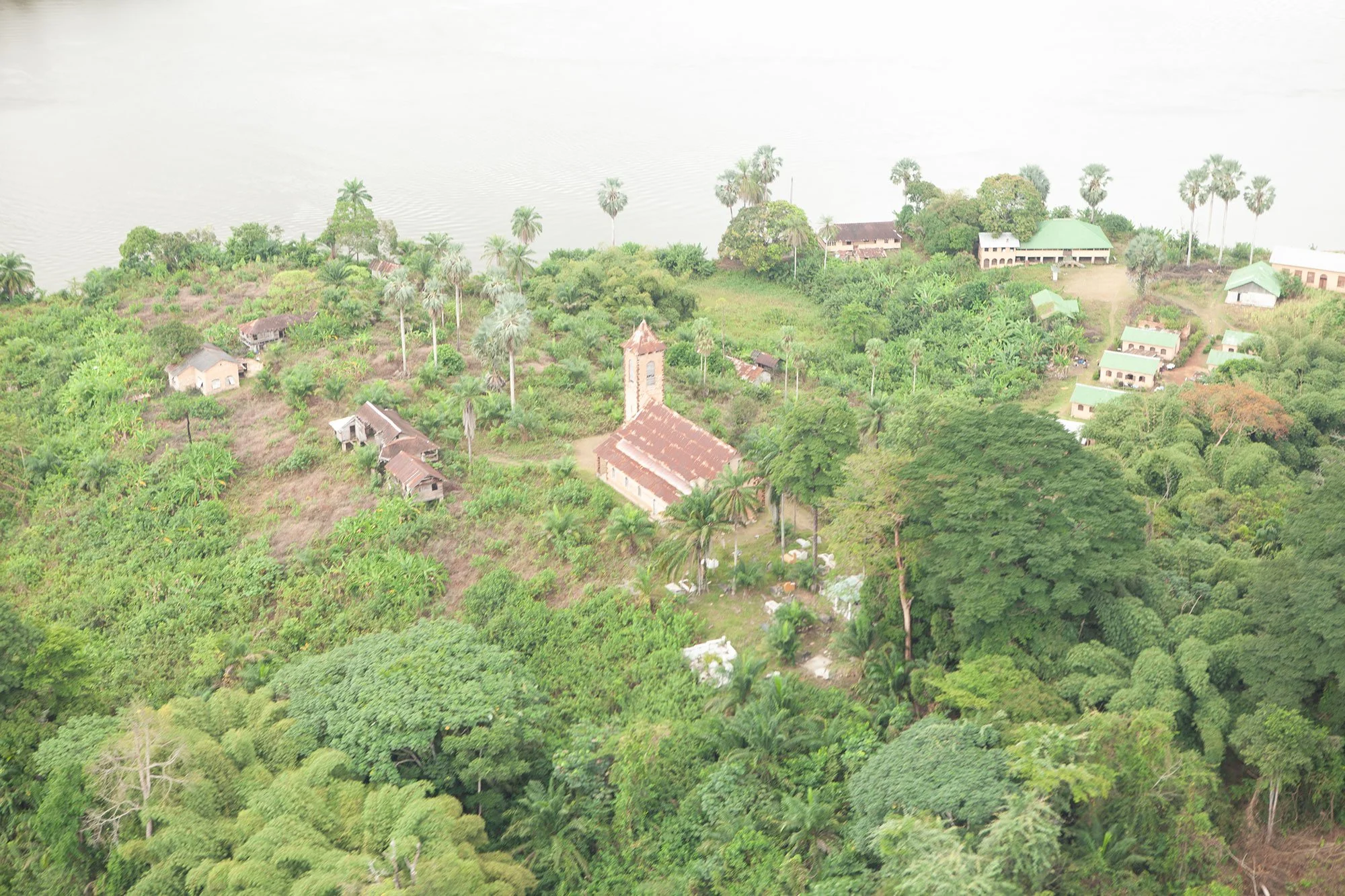
Photography by Josh Ponte.
Chapter 11: Global, Regional, and National Economic Drivers of Deforestation and Forest Degradation in the Congo Basin
Abstract
Between 1990 and 2020, 352,642 km2 of the Congo Basin’s dense forest, equivalent to 8.5% of the total land area, were lost. If current deforestation rates are not reduced, more than 25% of the tropical forest is expected to disappear by 2050. This chapter reviews the proximate and underlying drivers of deforestation and forest degradation in the Congo Basin: the activities directly responsible for forest loss and the underlying conditions that support those activities. The main proximate drivers are land clearance for subsistence shifting agriculture and small-scale plantations of cacao and oil palm; large-scale industrial agriculture; illegal illegal within mining concessions, areas of dispersed artisanal mining, and unclassified dense forests; artisanal forestry aimed at the production of fuelwood and charcoal; and large-scale export-oriented forestry in timber concessions. Underlying drivers include rural population growth, the lack of secure property rights, and weak systems of governance at local, national, and international scales. In all countries except Gabon, the rural population has continued to grow since 1990. The highest rates of rural population growth and the highest rates of deforestation in unclassified forests occur in Cameroon, CAR, and DRC. Widespread insecurity of land tenure, the absence of defined land rights, and an ineffective regulatory regime discourage investment in productivity improvements and encourage the persistence of shifting agriculture.
Authors
D. Maniatis
Central African Forest Initiative (CAFI), School of Geography and the Environment, University of Oxford, Oxford, UK
E. Nuesiri
Environmental Protection and Development Association (EPDA), Limbe, Cameroon
F. Palla
Coordinatrice Cellule Technique du Projet OFAC-CE, L’appui à l’Observatoire des Forêts d’Afrique Centrale, Douala, Cameroon
C. Perrings
Emeritus Professor, School of Life Sciences, Arizona State University, Tempe, AZ, USA
charles.perrings@asu.edu
Chapter 12: Agriculture and ecosystem functions and services in the Congo Basin
Abstract
Agriculture in the Congo Basin is essential for food security and economic development, but it faces major challenges such as deforestation, biodiversity loss, and climate change. Agricultural systems, ranging from industrial agriculture to subsistence practices, are transforming the landscape and damaging ecosystems and their ability to provide ecosystem services. While industrial agriculture drives significant land conversion, especially for oil palm and rubber, smallholder and subsistence farming (often through shifting cultivation) remain the dominant cause of deforestation. Agricultural policies often favor multinational companies, leading to land leases over communities’ rights and environmental protection. Moreover, policies such as the European Union Deforestation Regulation pose new challenges and opportunities for local farmers. To safeguard ecosystems and livelihoods, the path forward must prioritize sustainable land management practices such as agroforestry and conservation agriculture that balance productivity with environmental protection.
Authors
L. F. Temgoua
Faculty of Agronomy and Agricultural Science, University of Dschang, Dschang, Cameroon
N. P. Awazi
College of Technology, University of Bamenda, Bamenda, Cameroon
D. J. Sonwa
World Resources Institute, Kinshasa, Democratic Republic of Congo
E. Y. Kachaka
Laval University, Quebec, QC, Canada
S. Mampeta
Department of Sociology, University of Kisangani, Kinshasa, Democratic Republic of Congo
E. Abwe
Faculty of Agricultural Sciences, University of Lubumbashi, Lubumbashi, Democratic Republic of the Congo
Chapter 13: Pastoralism, access to land and ecosystem functions and services in the Congo Basin
Abstract
Pastoralism is a cornerstone of livelihoods and subsistence for millions in sub-Saharan Africa, particularly in arid and semi-arid regions, where rainfall variability limits other agricultural activities. It supports over 20 million people and underpins livestock economies in several African countries, contributing significantly to global agricultural production and food security. Beyond its economic importance, pastoralism plays cultural and ecological roles, reinforcing social bonds, maintaining biodiversity, and promoting ecosystem health through natural grazing patterns. In recent years, climatic conditions, coupled with insecurity in the Sudano-Sahelian zone, have led herders to move increasingly southwards, some even settling in forest areas. This sedentarization is not without consequences for the forests. This chapter reviews the history of pastoralism in the Congo Basin, the factors of adaptation, and their role in ecosystem functions and services.
Despite these challenges, pastoralism remains vital for ecosystem services, providing forage, water, and medicinal plants essential for livestock and herders. Rangelands, including grasslands and savannas, sustain millions of animals and hold cultural and spiritual significance for pastoral communities. Grazing patterns can promote vegetation regrowth and soil health, while pastoral rangelands act as carbon sinks in the savanna zone, mitigating climate change.
Although the importance of pastoralism, when it is practiced without respect for load capacities and the absence of management rules, causes abusive cutting of trees and leads to land degradation and deforestation, pastoralism remains a major socioeconomic issue that must be taken into account in the governance of natural resources.
Authors
L. P. R. Kabelong Banoho
Plant Biology, University of Yaounde I, Yaounde, Cameroon, Cameroon
rogerbanoho@yahoo.fr
M. B. Libalah
Laboratory of Plant Systematics and Ecology (LaBosystE), Higher Teachers’ Training College, University of Yaoundé I, Yaounde, Cameroon, Cameroon
libalah_moses@yahoo.com
B. Sonké
Laboratory of Plant Systematics and Ecology (LaBosystE), Higher Teachers’ Training College, University of Yaoundé I, Yaounde, Cameroon, Cameroon
bsonke_1999@yahoo.com
Chapter 14: Timber Production and Ecosystem Functions and Services in the Congo Basin
Abstract
Industrial logging for timber production has long played a major economic role in the Congo Basin countries. Here, logging for timber production is carried out in two main ways: industrial exploitation, whose products are generally destined for overseas markets, and artisanal exploitation, which primarily supplies national and regional markets.
In the Congo Basin, industrial logging takes place in forest concessions. The Congo Basin has 453 forest concessions for a total area of 52,875,107 ha. For the year 2022, the Congo Basin produced 7,960,323 m3 of logs each year.
The notion of sustainable forest management has taken root in the Congo Basin with two main variations: better involvement of local populations in forest management and sustainable management of forest concessions. Currently, it can be estimated that 70% of the forest concessions allocated are actually under management.
Logging, whether in the context of concessions or artisanal logging, inevitably leads to several negative impacts on biodiversity, carbon stocks, water resources, and forest cover. These various impacts are expected to be mitigated already through the implementation of sustainable forest management and forest certification. The prospects for sustainable timber production from the Congo Basin are based on the following approaches:
Make a more exhaustive assessment of the management of forest concessions
Integrate artisanal logging into national forest management policies
Work to create incentives for further wood processing
Promote timber production from forest plantations
Authors
R. Eba’a Atyi
Center for International Forestry Research and World Agroforestry (CIFOR-ICRAF), CAM, Bogor, Indonesia
R.atyi@cifor-icraf.org
J. Nkoulou
Environment and Natural Resource Management, Agriculture/Economie Verte (GRECO), Cotonou, Republic of Benin
nkouloujervais@yahoo.fr
G. Moussavou
Institute of Research in Tropical Ecology (IRET), National Center for Scientific and Technological Research (CENAREST), Libreville, Gabon
gmoussavou@gmail.com
A. Biwole
Department of Forest Engineering, University of Douala, Douala, Cameroon
achille.biwole@gmail.com
J. C. Zekeng
University of Douala, Douala, Cameroon
zekeng.jules@gmail.com
S. M. Wabasa
Department of Sociology, University of Kisangani, Kisangani, Democratic Republic of Congo
salomon.mampeta@unikis.ac.cd
Chapter 15: Mining and Ecosystem Functions and Services in the Congo Basin
Abstract
This chapter reviewed the importance of mining and economic and environmental impacts on human communities and biodiversity. Economically, the review found that, despite the fact that mining-generated incomes were unable to ignite the sustainable development communities expected of mining companies, most of the Congo Basin’s countries heavily depend on the mining industry. Pre- and post-mining data to compare the well-being of local communities were difficult to find as it was the case for studies documenting wildlife species loss due to mining, suggesting, therefore, that gaps remain to be filled by researchers in the years to come. Reviewed records have documented heavy impacts of mining on the overall biodiversity and the environment, constituting negative externalities of mining. Both large-scale mining (LSM) and artisanal-small mining (ASM) have a high impact on forest, land clearing, and other forms of habitat loss and degradation; however, ASM was reported to have a higher impact than LSM in the reviewed published materials across the Congo Basin. Other negative environmental externalities of mining included pollution of air, soil, and water, with mercury documented in fish species and water stream. The opening of mining sites increased bushmeat trade and human rights abuses. To curb the biodiversity losses due to mining, the Congo Basin’s governments will need to further reform both ASM and LSM sectors.
Authors
B.-I. Inogwabini
Swedish University of Agricultural Sciences, Uppsala, Sweden and School of Management, Catholic University of Congo, Kinshasa, Democratic Republic of Congo
bila_inogwabini@biari.brown.edu
V. Ingram
Forest and Nature Conservation Policy Group, Wageningen Economic Research, Wageningen University, Wageningen, The Netherlands
verina.ingram@wur.nl
P. Mambwe
Department of Geology, Faculty of Science and Technology, University of Lubumbashi, Lubumbashi, Democratic Republic of Congo
Mambwe.Matanda@unilu.ac.cd
Chapter 16: Hunting, Fishing and Ecosystem Functions and Services in the Congo Basin
Abstract
Hunting and fishing have long been central to the traditions, culture, and livelihoods of rural communities in the Congo Basin, supporting both rural and urban populations. Wildmeat and freshwater fish are key protein and nutrient sources, central to both rural and urban diets, and support informal economies, employment, and traditional medicine. Culturally, they are embedded in ceremonies, prestige, and social cohesion. These activities are governed by a mix of customary and statutory laws, though traditional regulations have weakened over time and national laws, especially for inland fisheries, are often incomplete or outdated. Enforcement is uneven and weakening. Currently, wildmeat harvests, estimated at 1.6–11.8 million tons annually, are dominated by ungulates, rodents, and primates, while fish production, notably in the DRC, reaches about 230,000 t yearly, with high post-harvest losses. Both sectors feed a significant illegal international trade in bushmeat, fish, and exotic pets. Wildlife populations show marked decline from habitat disturbance and overexploitation: large mammals are scarce in hunted areas, replaced by small, resilient species; top predators and key herbivores are reduced; and inland fisheries face shrinking catches, smaller fish sizes, and market-driven pressures. Overhunting disrupts seed dispersal and ecosystem dynamics, while overfishing degrades aquatic biodiversity and habitats, with long-term catch declines of 65–80% threatening food webs and resilience. These losses endanger rural and Indigenous livelihoods, heighten nutritional insecurity, and expose communities to zoonotic disease risks through unsafe wildlife handling. Given the importance of these sectors in the Congo Basin, there is a need for integrated governance and management models that align human needs with ecological sustainability (see chapter 26).
Authors
N. van Vliet
Sustainable Wildlife Management Programme: FAO, Rome, Italy
nathalievanvliet@yahoo.com
J. Semeki
University of Kinshasa, Kinshasa, Democratic Republic of Congo
J. Mondo
Université Evangélique en Afrique, Kinshasa, Democratic Republic of Congo
J. Kyale
Université de Kisangani, Kisangani, Democratic Republic of Congo
J. Nyumu
SOWILD, Kisangani, Democratic Republic of Congo
J. Muhindo
SOWILD, Kisangani, Democratic Republic of Congo
S. Nziavake
SOWILD, Kisangani, Democratic Republic of Congo
E. Mbangale
CIFOR-ICRAF, Kisangani, Democratic Republic of Congo
M. Sigaud
Museum d’histoire Naturelle, Paris, France
D. Mukubi
Ministère de l’Environnement, Kinshasa, Democratic Republic of Congo
Chapter 17: Climate Change and Ecosystem Functions and Services in the Congo Basin
Abstract
The Congo Basin, home to the world’s second-largest tropical rainforest, is a biodiversity hotspot and a critical carbon sink. Its varied habitats—including rainforests, savannas, miombo woodlands, freshwater systems, peatlands, and coastal mangroves—support essential ecosystem functions. The Cuvette Centrale peatlands alone store an estimated 30 gigatons of carbon, underscoring the Basin’s climate significance. This review examines climate change impacts on the Basin’s ecosystems, focusing on ecological processes, carbon dynamics, and species responses.
The region is increasingly vulnerable to climate change and human pressures. Temperatures are rising faster than the global average, projected to increase 1.5–2 °C by century’s end, while rainfall is becoming more erratic, driving longer dry seasons, flash droughts, and altered flood cycles. These changes, combined with deforestation and land-use conversion, disrupt ecosystem processes. Forests show shift in phenological cycles affecting frugivores and herbivores; savannas face woody encroachment under rising CO₂; freshwater systems experience reduced water quality and declining fish populations; peatlands risk carbon release from lowered water tables; and mangroves are threatened by sea-level rise and reduced freshwater inflows. These ecological shifts have cascading effects, altering carbon and water cycles, nutrient dynamics, and species interactions. Changes in evapotranspiration and rainfall recycling further influence global climate patterns, including the Intertropical Convergence Zone, highlighting the Basin’s role in Earth system regulation.
Maintaining the Congo Basin’s ecological integrity is critical for regional resilience and global climate mitigation. Integrated research, targeted conservation, and sustainable land-use practices are urgently needed to safeguard these ecosystems against intensifying climatic and anthropogenic pressures.
Authors
M. B. Libalah
Department of Plant Biology, Faculty of Science, University of Yaoundé I, Yaoundé, Cameroon
Plant Systematics and Ecology Laboratory (LaBosystE), Higher Teacher’s Training College, University of Yaoundé I, Yaoundé, Cameroon
H. Taedoumg
Department of Plant Biology, Faculty of Science, University of Yaoundé I, Yaoundé, Cameroon
Plant Systematics and Ecology Laboratory (LaBosystE), Higher Teacher’s Training College, University of Yaoundé I, Yaoundé, Cameroon
Tropical Green Builder, Yaoundé, Cameroon
L.-R. Kabelong
Department of Plant Biology, Faculty of Science, University of Yaoundé I, Yaoundé, Cameroon
M. Barthel
Department of Environmental Systems Science, ETH Zurich, Zurich, Switzerland
F. Bretagnolle
UMR CNRS/uB 6282 Biogéosciences, Université de Bourgogne, Bourgogne, France
Chapter 18: Urbanization, Biodiversity, Ecosystem Functions and Services in the Congo Basin
Abstract
This chapter reviews the Congo Basin’s urbanization focusing on its effects on biodiversity and the environment. An unprecedented rate of unplanned urban growth was one of the clearest patterns to emerge with the majority of people in the Republic of Congo (ROC), Gabon and Equatorial Guinea living in urban areas. The urban population is increasing and will continue to rise in the Democratic Republic of Congo (DRC) and Central African Republic (CAR) in the next decades. Rural populations migrate to urban areas in search of better living conditions.
Rapid urbanization and continuous rural–urban migration flow impact biodiversity, the environment and social conditions. Construction and fetching fuel wood clear habitats to support expanding cities whose ecological footprint reaches far into remote areas through bushmeat trade and other commodity demands.
Heavily populated urban areas occur in the western Albertine Rift (DRC) and the Douala–Kumba–Bamenda belt through (Cameroon), regions of high altitudes and species richness. Congo Basin’s urban areas are polluted with largely of organic matter waste, but solid waste is also significant. Air quality is below the WHO’s standards in most cities, partly as a result of emissions from obsolete equipment imported from developed countries. Minimal urban planning results in the development of slums in cities; it exacerbates the geohydrological hazards and associated risks.
There are significant gaps in urbanization data across the Congo Basin and present challenges to drawing general trends. This review recommends further investment in urban research, planning, implementation of environmental standards and infrastructure development.
Authors
B.-I. Inogwabini
Swedish University of Agricultural Sciences, Uppsala, Sweden and School of Management, Catholic University of Congo, Kinshasa, Democratic Republic of Congo
bila_inogwabini@biari.brown.edu
C. Michellier
Natural Hazard and Cartography Unit, Royal Museum for Central Africa, Tervuren, Belgium and Earth and Life Institute, Université Catholique de Louvain, Louvain-la-Neuve, Belgium
caroline.michellier@africamuseum.be
S. Binsangou
Marien N’Gouabi University, Remote Sensing Laboratory and Forest Ecology, Brazzaville, Republic of Congo
stoffennebinsangou@gmail.com
L. Zapfack
Faculty of Science, Department of Plant Biology, University of Yaoundé I, Yaoundé, Cameroon
louis.zapfack@facsciences-uy1.cm
Chapter 19: History, Development, and Politics of Protected Areas in the Congo Basin Countries
Abstract
The Congo Basin, the second-largest tropical forest in the world, is vital to global ecological balance. This chapter explores its ecosystem functions and services, highlighting the immensity of its contribution through: (i) global climate regulation services by storing large amounts of carbon from plants. The region also plays a significant role in regulating water cycles; (ii) provisioning services by supplying numerous direct resources: wood, nontimber forest products and food for the region’s populations; (iii) supporting services, including soil formation, pollination and nutrient cycling, which are fundamental to other services and are maintained due to the exceptional biodiversity of the Congo Basin, which is the driving force behind them; (iv) cultural services for humanity in general, based on the immense spiritual, recreational and aesthetic value of the region’s rich biodiversity, which offers opportunities for tourism and scientific research. However, the Congo Basin faces enormous challenges related to human activities and economic pressures, which threaten its ability to provide vital services. Analysis of available data highlights the inadequacy and sometimes total absence of scientific data that could guide local and regional policies on sustainable development in the Congo Basin. Urgent and substantial investment in research is essential for the optimal use of the region’s natural resources.
Authors
S. A. Bakari
University of Lubumbashi, Lubumbashi, Democratic Republic of Congo
bakari.amuri@unilu.ac.cd
V. C. Bashige
University of Lubumbashi, Lubumbashi, Democratic Republic of Congo
C. S. Mutombo
University of Lubumbashi, Lubumbashi, Democratic Republic of Congo
J. B. Kahumba
University of Lubumbashi, Lubumbashi, Democratic Republic of Congo
Chapter 20: Ecosystem functions and services
Abstract
The Congo Basin, the second-largest tropical forest in the world, is vital to global ecological balance. This chapter explores its ecosystem functions and services, highlighting the immensity of its contribution through: (i) global climate regulation services by storing large amounts of carbon from plants. The region also plays a significant role in regulating water cycles; (ii) provisioning services by supplying numerous direct resources: wood, nontimber forest products and food for the region’s populations; (iii) supporting services, including soil formation, pollination and nutrient cycling, which are fundamental to other services and are maintained due to the exceptional biodiversity of the Congo Basin, which is the driving force behind them; (iv) cultural services for humanity in general, based on the immense spiritual, recreational and aesthetic value of the region’s rich biodiversity, which offers opportunities for tourism and scientific research. However, the Congo Basin faces enormous challenges related to human activities and economic pressures, which threaten its ability to provide vital services. Analysis of available data highlights the inadequacy and sometimes total absence of scientific data that could guide local and regional policies on sustainable development in the Congo Basin. Urgent and substantial investment in research is essential for the optimal use of the region’s natural resources.
Authors
S. A. Bakari
University of Lubumbashi, Lubumbashi, Democratic Republic of Congo
bakari.amuri@unilu.ac.cd
V. C. Bashige
University of Lubumbashi, Lubumbashi, Democratic Republic of Congo
C. S. Mutombo
University of Lubumbashi, Lubumbashi, Democratic Republic of Congo
J. B. Kahumba
University of Lubumbashi, Lubumbashi, Democratic Republic of Congo
Chapter 21: Effects of Diseases on wildlife Species in the Congo Basin
Abstract
The Congo Basin, spanning eight Central African countries, harbors the world’s second-largest tropical forest and some of the planet’s richest biodiversity. Despite its ecological importance and relatively intact habitats, the region’s wildlife faces threats from both infectious and noninfectious diseases. Infectious diseases caused by viruses, parasites, fungi and bacteria impact wildlife health and biodiversity and increase the risk of zoonotic spillovers. Environmental changes, including deforestation and habitat degradation, alter these threats. Noninfectious diseases—such as those linked to toxic exposure and malnutrition from declining food availability—further compromise wildlife resilience and reproductive health. Disease surveillance capacity in the region remains fragmented, with most countries having limited capacity for livestock and public health. The One Health approach offers a framework for coordinated surveillance and response, but is challenged by under-resourced veterinary and environmental sectors. Addressing these gaps through improved monitoring, ecological research and cross-sectoral coordination is essential for safeguarding biodiversity, supporting human health and mitigating future outbreaks in this globally critical ecosystem. This chapter reviews evidence for the presence and impact of infectious and noninfectious diseases on vertebrate wildlife in the Congo Basin.
Authors
E. Kuisma
Pathobiology and Population Sciences, Royal Veterinary College, Hatfield, UK
Health Program, Wildlife Conservation Society, Bronx, NY, USA
ekuisma19@rvc.ac.uk
S. C. Hill
Pathobiology and Population Sciences, Royal Veterinary College, Hatfield, UK
S. H. Olson
Health Program - Africa, Wildlife Conservation Society, Kigali, Rwanda
E. Denstedt
Health Program - Africa, Wildlife Conservation Society, Kigali, Rwanda
A. Ntelo
Ministry of Agriculture and Livestock, Department of Animal Health, Brazzaville, Republic of Congo
T. A. Seimon
Zoological Health Program, Wildlife Conservation Society, Bronx Zoo, Bronx, NY, USA
Chapter 22: Human influence on Current Status of Biodiversity in the Congo Basin
Abstract
The vast tropical zone of the Congo Basin was historically an intact ecosystem shaped by climatic fluctuations and gradual presence of Hominins (modern humans and close relatives) dating back at least 730,000 years BP. Early hunter–gatherers of the Late Stone Age had minimal ecological impacts. From ~40,000 years BP, the Neolithic introduced slash-and-burn agriculture and iron smelting, pottery, and polished stone tools, leading to localized forest changes during the Iron Age. The Industrial Revolution accelerated transformation with colonial exploitation of timber, ivory, rubber, and other resources, combined with increased hunting and settlement that caused widespread deforestation, biodiversity loss, and human suffering through conflicts and diseases.
Today, the Congo Basin remains a global biodiversity hotspot with over 15,000 vascular plant species, 450 mammal species, 1390 birds, diverse reptiles, amphibians, insects, and highly endemic freshwater fauna. Between 1990 and 2020, it lost roughly 8.5% of its forest cover due largely to smallholder agriculture, logging, mining, and urban expansion. These pressures have fragmented habitats, degraded water quality, and triggered Silent and Empty Forest and River Syndromes—where wildlife populations decline despite remaining forest cover. Key species, including forest elephants and gorillas, face critical threats from habitat destruction and poaching.
Despite advances in genetic and remote sensing technologies coupled with regional conservation efforts, data gaps persist, and socio-political instability and lack of finance limits research and sustainable management. Balancing ecological preservation with human development needs remains urgent to protect the Congo Basin’s unparalleled biodiversity and its global climate role for future generations.
Authors
M. B. Libalah
Department of Plant Biology, Faculty of Science, University of Yaoundé I, Yaoundé, Cameroon
Plant Systematics and Ecology Laboratory (LaBosystE), Higher Teacher’s Training College, University of Yaoundé I, Yaoundé, Cameroon
libalah_moses@yahoo.com
T. Liyandja
Department of Biological Sciences, University of Toronto Scarborough, Toronto, ON, Canada
Department of Biology, Faculty of Sciences and Technologies, University of Kinshasa, Kinshasa, Democratic Republic of the Congo
Department of Natural History, Royal Ontario Museum, Toronto, ON, Canada
R.-P. K. Banoho
Department of Plant Biology, Faculty of Science, University of Yaoundé I, Yaoundé, Cameroon
H. Taedoumg
Department of Plant Biology, Faculty of Science, University of Yaoundé I, Yaoundé, Cameroon
Plant Systematics and Ecology Laboratory (LaBosystE), Higher Teacher’s Training College, University of Yaoundé I, Yaoundé, Cameroon
Tropical Green Builder, Yaoundé, Cameroon
Chapter 23: Opportunities and Potential for Sustainable Development in the Congo Basin from an Environmental Sustainability Perspective
Abstract
The Congo Basin, comprising the world’s second-largest tropical rainforest, presents both critical environmental challenges and unique opportunities for sustainable development. This chapter evaluates key pathways for environmentally sustainable development in the region, with an emphasis on extractive industries, renewable energy, agroforestry, biodiversity conservation, ecotourism, and climate and carbon finance. Using regional indicators such as the Fragile States Index (FSI), Human Development Index (HDI), and Environmental Performance Index (EPI), the authors highlight the structural barriers—including weak governance, institutional fragility, and extreme poverty—that constrain the region’s development trajectory. Despite these challenges, the Basin’s ecological wealth offers potential for transformative interventions. Strategies such as Reduced-Impact Logging for Climate (RIL-C), sustainable mining practices, decentralized renewable energy systems, and integrated agroforestry models are analyzed for their capacity to reduce emissions, protect biodiversity, and enhance local livelihoods. The chapter further explores the potential of REDD+ and emerging carbon market frameworks to finance conservation and climate mitigation efforts. Emphasizing the role of participatory governance, indigenous knowledge systems, and scientific innovation, the chapter underscores the necessity of context-specific, cross-sectoral approaches to operationalize sustainability in one of the planet’s most ecologically and geopolitically complex regions.
Authors
D. Maniatis
Central African Forest Initiative (CAFI) & School of Geography and the Environment, University of Oxford, Oxford, UK
danae@danaemaniatis.com
K. J. Jeffery
Faculty of Natural Sciences, University of Stirling, Stirling, UK
AMAP, University of Montpellier, CIRAD, CNRS, INRAE, IRD, Montpellier, France
Section 3
Social-ecological Transformations: First steps towards sustainable development
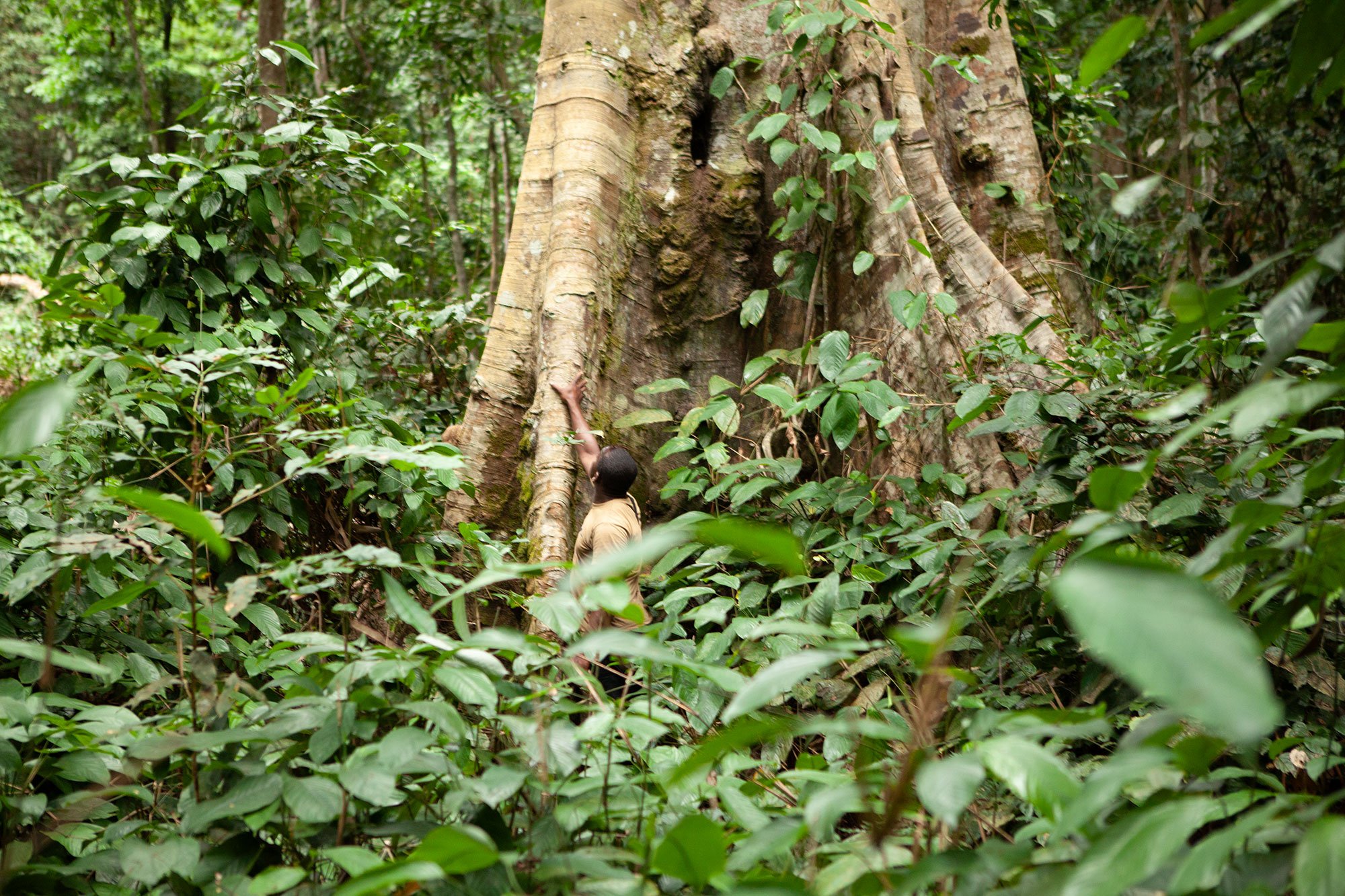
Photography by Josh Ponte.
Chapter 24: The Future of Biodiversity in the Congo Basin
Abstract
The biodiversity of the Congo Basin is currently highly threatened. Climate change is driving fundamental functional change in forest and aquatic ecosystems. Forest loss, driven by fire, agricultural expansion, logging, and fuelwood collection, drives further climate change and directly threatens forest species. In addition, overconsumption by human populations is challenging fish, bird, and mammal survival, and pollution from cities, industries, and agriculture particularly affects insects and aquatic biodiversity.
But there are solutions to counter this bleak outlook. Sustainable use of renewable natural resources is possible alongside economic growth and biodiversity preservation, as the implementation of sustainable logging policies has shown. Sustainable subsistence hunting is possible for engaged communities, willing to monitor and regulate their hunting and enabled to adapt traditional management systems to present-day contexts. Governments are supported by their own laws and international conventions to enact strong regulation of pollutants from the mining sector, urban waste, and infrastructural development, if they have the courage, transparency, and budgets to do that. The most difficult challenge will be the restructuring of economies to move away from raw natural resource exports toward manufacturing and services that will allow wealth to alleviate pressure on biodiversity, rather than increase it.
Authors
K. Abernethy
Biological and Environmental Sciences, University of Stirling, Stirling, UK
Institut de Recherches en Ecologie Tropicale, CENAREST, Libreville, Gabon
k.a.abernethy@stir.ac.uk
E. Abwe
University of Lubumbashi, Lubumbashi, Democratic Republic of Congo
abwe.emmanuel@unilu.ac.cd
E. F. Akomo Okoue
Institut de Recherche en Ecologie Tropicale, Centre National de Recherches Scientifiques et Technologies, Libreville, Gabon
F. Evouna Ondo
Station d’Etudes des Gorilles et Chimpanzes, Agence Nationale des Parcs Nationaux, Libreville, Gabon
L. Makaga
Station d’Etudes des Gorilles et Chimpanzes, Agence Nationale des Parcs Nationaux, Libreville, Gabon
D. Midoko Iponga
Institut de Recherche en Ecologie Tropicale, Centre National de Recherches Scientifiques et Technologies, Libreville, Gabon
Chapter 25: What might influence economic forecasts for the Congo Basin?
Abstract
While the Congo Basin remains an important repository for biodiversity, the economies of the basin rely on primary commodity exploitation and trade. Renewable and exhaustible commodities such as timber, minerals, and hydrocarbon are major sources of income flow. This chapter addresses the current and future economic landscape of the Congo Basin. The demand for more agricultural land to meet the food needs of the growing population and addressing the raw material needs of the industrial sector, wood fuel consumption, and expansion of road infrastructure as well as trade and foreign direct investment would determine the growth and stability of countries in the basin. It is established that meeting the international demand for biofuel and natural resources of renewables and exhaustible resources would combine to shape the trajectory of future roles of the Basin in both the regional and global economy. There is need for a new economic model for countries in the region, in which priority is given to processing and value addition to the primary commodities that dominate trade, which balances the need for economic growth with environmental preservation, while addressing poverty, inequality, and governance challenges. Within the region itself, increased economic integration would be the platform to promote political and socioeconomic stability and development, particularly through increases in regional trade, cooperation, and levels of self-reliance.
Authors
E. L. Molua
Department of Agricultural Economics and Agribusiness, University of Buea, Buea, Cameroon
Centre for Independent Development Research (CIDR), Buea, Cameroon
F. E. Ndip
Center for Development Research, University of Bonn, Bonn, Germany
P. L. Kemeni Kambiet
Mohammed VI University Polytechnique, Benguerir, Morocco
Chapter 26: How Could Agricultural Policies and Practices Influence the Future of the Congo Basin’s Biodiversity and Ecosystems?
Abstract
This chapter explores how agricultural policies and practices shape biodiversity outcomes and ecosystem health in the Congo Basin. It highlights the dual role of agriculture as both a driver of biodiversity loss and a sector dependent on ecosystem services like pollination and water regulation. Shifting cultivation, expanding commercial plantations, and land tenure insecurity are contributing to deforestation, soil degradation, and exacerbating climate vulnerability. Yet, promising practices such as agroforestry, ecological intensification, and agroecological zoning offer integrated approaches to enhance productivity while preserving biodiversity. The chapter emphasizes the need for effective land-use planning, capacity building, and tailored policies that align agricultural development with climate mitigation and conservation goals. By comparing the Congo Basin with experiences from Southeast Asia and Latin America, the authors stress the urgency of transitioning away from slash-and-burn agriculture. Precision agriculture, investment in data infrastructure, and stakeholder-inclusive planning are essential to restore degraded lands and secure food systems. Financial mechanisms like green bonds are proposed to support agroecological transitions. Ultimately, sustainable agriculture must be positioned as both a development and a conservation tool, ensuring that rural livelihoods and global biodiversity targets are mutually reinforcing.
Authors
L. F. Temgoua
Faculty of Agronomy and Agricultural Sciences, Department of Forestry, University of Dschang, Dschang, Cameroon
N. P. Awazi
Department of Forestry and Wildlife Technology, College of Technology (COLTECH), The University of Bamenda, Bambili, Cameroon
Chapter 27: How Could Logging Policies and Practices Influence the Future of the Congo Basin Biodiversity and Ecosystems?
Abstract
The Congo Basin forests are currently undervalued. Economic and social returns from forestry and timber processing are relatively low compared to some nations outside Africa. Furthermore, the ecosystem services provided by the forests, such as the net absorption and storage of atmospheric carbon, continue to be considered by the international community as a free commodity. We propose an economic model involving maximizing the proportion of third-level timber processing and planting new forests that can increase forest economies and job creation by an order of magnitude. We argue that only by making forests valuable to the people and nations of the Congo Basin will we be able to avoid the large-scale deforestation that has occurred in West Africa and in other tropical forest regions, where the economic and social benefits of conversion were higher than those linked to preservation and sustainable harvest. We discuss knowledge gaps that need to be filled, possible technological solutions and policy reforms, and fiscal incentives needed to implement our model across the Congo Basin.
Authors
L. White
University of Stirling, School of Natural Sciences, Stirling, UK and Institut de Récherche en Ecologie Tropicale, Libreville, Gabon
l.j.white@stir.ac.uk
G. Moussavou
Institut de Récherche en Ecologie Tropicale, Libreville, Gabon
gmoussavou@gmail.com
L. B. Sagang
C-TREES, Pasadena, CA, USA
lbsagang@ctrees.org
J.-L. Doucet
Gembloux Agro-Bio Tech / Université de Liège, Passage des Déportés, Gembloux, Belgium
jldoucet@uliege.be
K. Mohan
Africa Mining and Metals Group, JBC2, Cluster V, JLT, Dubai, UAE
kumar.mohan@a2mp.com
Chapter 28: How Could Hunting and Fishing Policies and Practices Influence the Future of the Congo Basin Biodiversity and Ecosystems?
Abstract
Terrestrial and freshwater wildlife in the Congo Basin provide crucial ecosystem services, food, medicine, and income, for millions of rural and urban communities. However, unsustainable hunting and fishing have caused significant ecological disruptions, including population declines and altered species composition, threatening biodiversity and livelihoods. Despite political and scientific efforts, overharvesting continues, driven largely by persistent poverty, limited protein and income alternatives, and rising demand fueled by population growth, urbanization, and migration. Modern technology and improved transport have shifted practices from subsistence to commercial exploitation, increasing pressure on wildlife. Traditional resource governance, weakened since colonial times, struggles to regulate use, while conflicts exacerbate wildlife exploitation through displacement and increased firearm availability. Meanwhile, deforestation, habitat fragmentation, and mining pollution further degrade ecosystems and complicate sustainable management.
In response, Congo Basin countries have made strides toward more sustainable wildlife management. There is a clear shift from exclusionary, militarized conservation to community-based wildlife management (CBWM), empowering Indigenous Peoples and local communities by integrating traditional knowledge with modern practices. Efforts have evolved from expert-driven solutions to community-focused, nature-based businesses, alongside campaigns to reduce wildmeat consumption in urban areas. National recognition of hunting and fisheries’ roles in poverty alleviation has increased, prompting policy reforms to formalize these sectors and improve regulation under initiatives such as the Sustainable Wildlife Management program and the Central African Regional Program for the Environment. Additionally, countries are adopting biodiversity-positive practices in logging and mining sectors through certification schemes and legal reforms, though challenges remain in scaling these measures.
Financially, although some steps have been taken recently, there is a need for a more meaningful transition toward innovative finance mechanisms to support sustainable wildlife management and to explore the development of wildlife-based economies. Initiatives such as the BIOFIN program, the Central Africa Forest Initiative, and the High Integrity Forest Finance Initiative are fostering investment, policy dialogue, and sustainable funding models to ensure wildlife and community well-being in the Congo Basin’s future.
Authors
N. van Vliet
CIFOR-ICRAF, Kenya, Cameroon
J. Semeki
University of Kinshasa, Kinshasa, Democratic Republic of Congo
J. Kyale
Université de Kisangani, Kisangani, Democratic Republic of Congo
P. Mafwila
Université de Kinshasa, Kinshasa, Democratic Republic of Congo
Chapter 29: Mining Influence on the Future of the Congo Basin
Abstract
The Congo Basin in central Africa is well known for its ecosystem complexity and biodiversity, which are closely linked to its geological history and diversity. High mineral resource potential and the development of the mining sector, principally oil and gas, and base, critical and precious metals, play an important role in the economy in the region. Negative environmental practices linked both to industrial and artisanal mining are common. Strict application of environment regulations, modern best practices, and good governance are critical if this sector is to fulfil its potential in the region without doing irreparable damage to both human and environmental health. Looking to the future, it is essential that an increased share of the jobs and economic benefits from the use of the Congo Basin’s rich mineral resources remain in the region, rather than developing economies predominantly outside Africa. This may require policies to restrict and even ban the export of unprocessed ores and crude oil in favor of the development of local transformation industries.
Authors
P. Mambwe
Geology, University of Lubumbashi, Lubumbashi, Democratic Republic of the Congo
Mambwe.Matanda@unilu.ac.cd
B.-I. Inogwabini
Swedish University of Agricultural Sciences, Uppsala, Sweden and School of Management, Catholic University of Congo, Kinshasa, Democratic Republic of the Congo
bila_inogwabini@biari.brown.edu
K. Mohan
Africa Mining and Metals Group, JBC2, Cluster V, JLT, Dubai, UAE
kumar.mohan@a2mp.com
I. Ichikowitz
Transafrica, Pretoria, South Africa
ivor@ichikowitz.com
L. J. T. White
University of Stirling, School of Natural Sciences, Stirling, UK and Institut de Récherche en Ecologie Tropicale, Libreville, Gabon
l.j.white@stir.ac.uk
Chapter 30: Cities, Infrastructure, Energy, and the Future of the Basin
Abstract
The Congo Basin is more highly urbanized than most of the African continent. Gabon, Cameroon, Equatorial Guinea, and Congo have been majority urban populations for decades, and DRC will pass beyond 50% by 2030. CAR will also reach that mark within 20 years. The rapid growth of urban populations in the Congo Basin nations is discussed and key challenges for city-dwellers are assessed. Unplanned, rapid urbanization and the development of extensive slums with few services and weak political voice is the norm in the larger cities, increasing social inequity and causing crippling damage to human well-being and environmental health in peri-urban haloes, sometimes extending hundreds of kilometers from the urban center. Solutions to this growing challenge are evaluated and recommendations are made which, if implemented, could help to improve health, resilience, quality of life, and security in urban settings, as well as improving biodiversity outcomes. In the light of the sparse literature on the subject, the authors call for an urgent increase in scientific research on this pressing topic within the Congo Basin, which is a clear priority for the region’s majority urban population of the future.
Authors
L. White
University of Stirling, School of Natural Sciences, Stirling, UK
Institut de Récherche en Ecologie Tropicale, Libreville, Gabon
l.j.white@stir.ac.uk
B.-I. Inogwabini
Swedish University of Agricultural Sciences, Uppsala, Democratic Republic of Congo
bila_inogwabini@biari.brown.edu
S. A. Ifo
École Normale Supérieure BP 69, Université Marien Ngouabi, Brazzaville, Republic of Congo
averti.ifosuspens@umng.cg
Chapter 31: Future Risks of Disease Emergence in Humans, Wildlife, and Livestock in the Congo Basin: Predicting Outcomes Under Current Trends and Policy-Driven Solutions
Abstract
The Congo Basin, one of the world’s most biodiverse ecosystems, is experiencing some of the globe’s fastest and most extensive demographic changes and faces accelerating anthropogenic pressures that threaten both ecological and health stability. Rapid deforestation, land conversion, mining, agricultural expansion, and climate change are fundamentally altering ecological systems and increasing the risk of disease emergence.
Evidence links land-use change and habitat fragmentation to elevated spillover risk by creating high-contact interfaces among humans, wildlife, and livestock, while forest degradation erodes “landscape immunity.” Climate change further amplifies disease threats by altering host and vector distributions, increasing pathogen shedding, and compounding stress in wildlife.
Under current trajectories, biodiversity loss, habitat degradation, and weak health systems across much of the region heighten vulnerability to disease outbreaks and ecological collapse. Species declines among great apes, elephants, and amphibians illustrate how environmental stress and disease interact to drive extinction risk and destabilize ecosystem services. Mining-related mercury contamination, agricultural intensification, and bushmeat hunting continue to degrade ecological integrity and elevate risk of disease emergence.
Policy-driven, One Health-based interventions offer pathways to resilience. Primary prevention, integrating wildlife health into Environmental and Social Impact Assessments (ESIAs), National Biodiversity Strategies and Action Plans (NBSAPs), applying the mitigation hierarchy, and embedding health safeguards into mining, agriculture, and infrastructure planning can reduce ecosystem disruption and promote disease resilience. Strengthening surveillance, supporting sustainable livelihoods, and prioritizing high-risk taxa in health monitoring programs can improve early detection. Protecting intact forests, maintaining wildlife corridors, and adopting climate-smart land-use planning are vital to sustain ecological and community health.
The Congo Basin’s future depends on aligning conservation, development, and health agendas under a coordinated One Health framework. Proactive investment in prevention, rather than reactive response, will deliver the most effective, equitable, and cost-efficient outcomes for biodiversity conservation, climate mitigation, and pandemic prevention.
Authors
E. Kuisma
Pathobiology and Population Sciences, Royal Veterinary College, Hatfield, UK
Wildlife Conservation Society, Health Program, New York, NY, USA
ekuisma19@rvc.ac.uk
N. L. Gottdenker
Department of Pathology, College of Veterinary Medicine, University of Georgia, Athens, GA, USA
S. H. Olson
Wildlife Conservation Society, Health Program, New York, NY, USA
Chapter 32: The Climate and Land-Use Change FeedbackTitle
Abstract
The Congo Basin, home to the world’s second-largest tropical rainforest, plays a pivotal role in regulating global climate through carbon sequestration, rainfall recycling, and temperature regulation. However, the acceleration of the land-use changes—driven by agriculture, logging, mining, and urbanization—is eroding these vital ecosystem services. This chapter examines potential feedbacks between land-use change and climate, focusing on how deforestation and degradation disrupt biogeophysical processes and amplify the regional and global climate risks. Using observational evidence and modeling approaches, we show that continued forest loss could transform the Congo Basin from a net carbon sink to a carbon source, exacerbate extreme events such as droughts and floods, and destabilize regional rainfall systems. Future scenarios indicate that deforestation could reduce rainfall by up to 10% and raise surface temperatures by about 0.7 °C by mid-century (~2050). Unfortunately, these impacts extend beyond central Africa and influence tropical circulation and global climate stability. To safeguard the Congo Basin’s ecological integrity and climate functions, urgent action is required—through integrated land-use planning, forest conservation, climate-smart agriculture, and robust governance. The chapter underscores that the Congo Basin is both a frontline victim of global change and a critical lever for achieving climate resilience worldwide.
Authors
G.-N. T. Longandjo
Kinshasa Interdisciplinary Center for Computational and Environmental Monitoring (KiCCEM) & Meteorology Department, Institut Supérieur des Techniques Appliquées, Kinshasa, Democratic Republic of the Congo
Georges-Noel.Longandjo@ista.ac.cd
V. Sridhar
Department of Biological Systems Engineering, Virginia Polytechnic Institute and State University, Blacksburg, VA, USA
vsri@vt.edu
W. Moufouma-Okia
World Meteorological Organization, Geneva, Switzerland
wilfranmo@gmail.com
V. Lakshmi
University of Virginia, Charlottesville, VA, USA
vlakshmi@virginia.edu
T.-N.-D. Tran
University of Virginia, Charlottesville, VA, USA
syu3cs@virginia.edu
S. R. O. Marshall
University of Virginia, Charlottesville, VA, USA
xec3cr@virginia.edu
H. L. Kim
Gwangju Institute of Science and Technology, Gwangju, South Korea
hyunglokkim@gist.ac.kr
H. Kang
Washington State University, Pullman, USA
hwkang@vt.edu
Section 4
The Solution Space: Finding Sustainable Pathways for the Congo Basin Forest Ecosystem
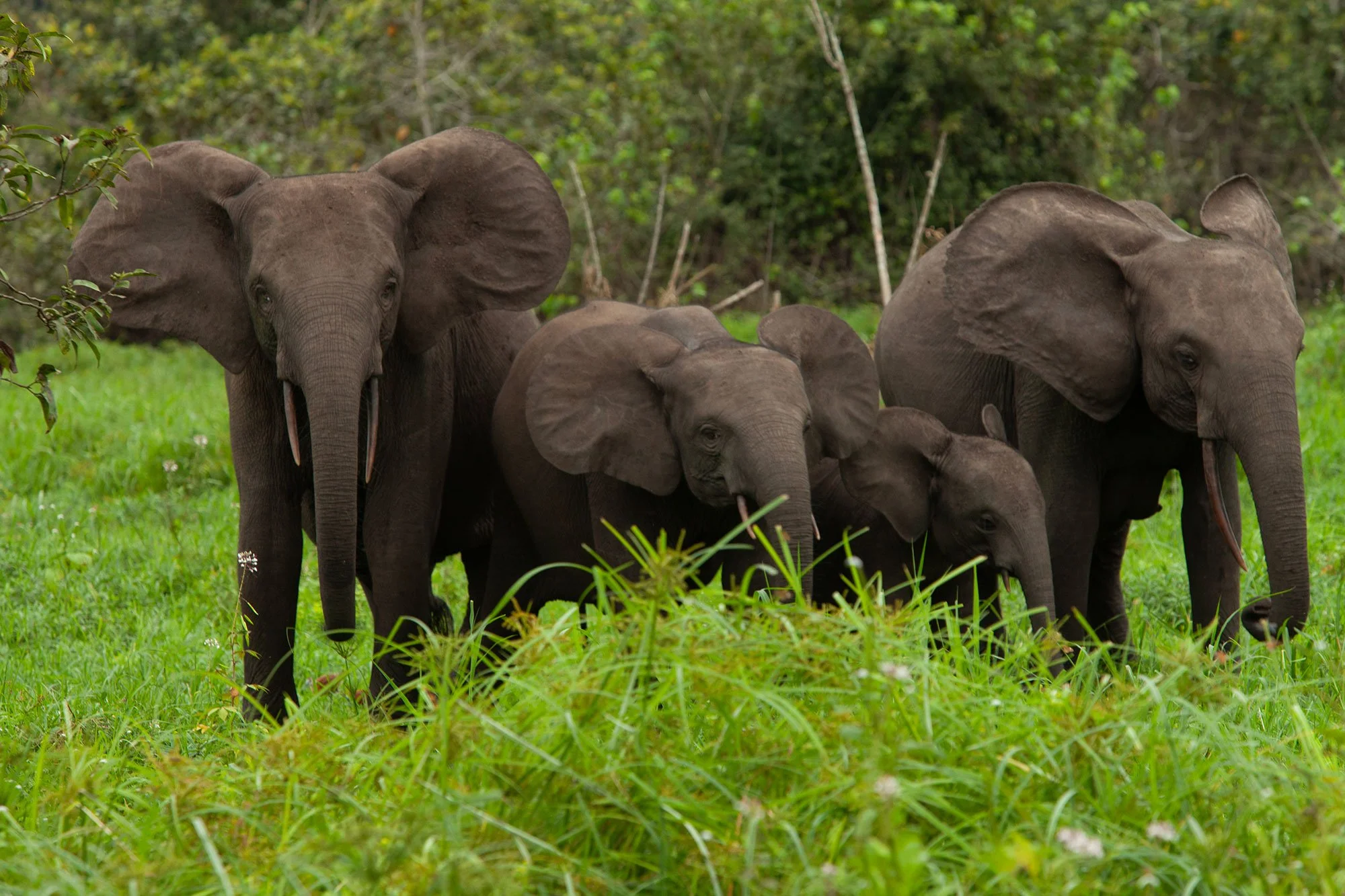
Photography by Josh Ponte.
Chapter 33: Spatial Dimensions of Existing Conservation Areas and Other Land Uses in the Congo Basin
Abstract
Remote sensing (RS) techniques and Geographic Information Systems (GIS) for earth observation have significantly improved the ability to map and measure forest composition, estimate height and biomass, detect degradation and deforestation, implement land use planning, track land use changes as well as monitoring the implementation and respect of land development policies at a finer scale. Machine learning approaches further enhance these capabilities by integrating multiple data sources to produce improved maps of forest attributes and track changes over time. Recent advances in remote sensing techniques and artificial intelligence (AI) now enable detailed mapping and modelling of conservation areas especially the demarcation of High Valued Conservation Forest. National governments follow an administrative procedure for national map design, validation, and standardization. National governments together with the national mapping institutions select particular government officials, the private sector, civil society organizations, and foreign partners to produce national maps. On the other hand, scientists use a rigorous methodology that combines cutting-edge tools and peer review approaches. Even if some of the maps mentioned have not undergone the validation process by the various governments of the sub-region, they are widely used or referred to in international negotiations and discussions. Adopting innovative policies on mapping (Indonesia’s one map policy, Rwanda National land registry) and spatial data management (Geoportal for the Region, The INSPIRE Directive) will be very helpful in planning and conserving the Congo Basin. Non the less, Gabon, the DRC and Cameroon have made exceptions by producing and using renowned National Geoportal.
Authors
D. T. E. Agbor
Ministry of Scientific Research and Innovation, National Institute of Cartography, Yaoundé, Centre Region, Cameroon
e12329615@student.tuwien.ac.at
delphinetekok@gmail.com
R. K. Sufo
Central Africa Regional Office, The Center for International Forestry Research and World Agroforestry (CIFOR-ICRAF), Yaoundé, Cameroon
R.Sufo@cifor-icraf.org
D. Mbouna
Cameroon Office, World Resources Institute, Yaoundé, Cameroon
dc_mbouna@yahoo.fr
F. Nghobuoche
Observatoire des Forêts d’Afrique Centrale, Kinshasa, Democratic Republic of Congo
F.Nghobuoche@cifor-icraf.org
T. L. Kenmou
AGEOS, Libreville, Gabon
lkenmou@observatoire-comifac.net
U. K. Tshingomba
University of Liege, Liege, Belgium
ukalenga@observatoire-comifac.net
Chapter 34: Tapping into Indigenous and Local Knowledge in the Congo Basin to Increase Understanding of Its Ecology
Abstract
This chapter explores “indigenous” and “local” knowledge of “Pygmy” and “Bantu” peoples, respectively, and its relation to scientific understandings of Congo Basin ecology from historical and contemporary perspectives. Both peoples are heirs to extensive traditions of ecological knowledge. In the precolonial era, Indigenous knowledge was highly valued in regional societies, providing Pygmies with key roles to play in wider social systems. However, colonial policies had significant negative impacts on traditional knowledge, especially among Bantu communities. In the postcolonial era, more substantial challenges have occurred, undermining both traditional knowledge and the access of forest-dependent communities to their lands. Traditional knowledge has contributed to modern understandings of Congo Basin ecology since the colonial era, yet often without formal acknowledgment. Whereas scientists have tended to take an “extractive” approach to traditional knowledge, the chapter argues for the development of a more equal and “co-creative” approach to the sharing of knowledge. Acknowledging the complementarity between scientific and traditional knowledge, the chapter recommends that scientists communicate across disciplinary lines to develop methodologies to collect, assemble, and store Indigenous and local knowledge as a matter of urgency, before key forms of oral knowledge are lost. Bringing Indigenous and local peoples into the mainstream scientific research agenda should become a priority, for both regional policies and specific initiatives. By examining various cases of traditional knowledge, the chapter illustrates how important these forms of knowledge are, not only for furthering understanding of Congo Basin ecology but also for solving some vexing questions faced by local peoples across countries.
Authors
B.-I. Inogwabini
Swedish University of Agricultural Sciences, Uppsala, Sweden and School of Management, Catholic University of Congo, Kinshasa, Democratic Republic of Congo
bila_inogwabini@biari.brown.edu
R. E. Moïse
Independent scholar, Coulee Dam, USA
elymoise@gmail.com
T. Oishi
African Studies Center, Tokyo University of Foreign Studies, Fuchu, Japan
takanori@tufs.ac.jp
V. Zaunbrecher
University of California, Los Angeles, Congo Basin Institute, Los Angeles, USA
zaunbrecher@ucla.edu
S. W. B. Dinictri
Leibniz Centre for Agricultural Landscape Research (ZALF), Müncheberg, Germany
borisdinictri.sohwenda@zalf.de
Chapter 35: Nature-Based Solutions in the Congo Basin
Abstract
Nature-based approaches have the potential to address challenges such as climate change, biodiversity loss, pollution, flood and drought mitigation, land and soil restoration, and to sustain agricultural productivity, including maintaining pollinators, and regulation of pests and diseases. Case studies from the Congo Basin with the potential to scale up across countries to support efforts being invested in other parts are presented. This chapter highlights the role of local, indigenous, and endogenous knowledge in addressing some of the most intractable current ecological, economic, and social challenges. Although engaging local communities directly is sometimes difficult, their knowledge remains highly valuable. Building trust between the scientific and indigenous communities is crucial to scaling up the contributions of traditional knowledge in evaluating the impact of various nature-based solutions (NbS) across different biomes in the Congo Basin. To support its argument about how science can contribute to sound decision-making processes, we demonstrate in this chapter how NbS can generate non-climate benefits, including biodiversity conservation, which contribute to climate benefits (global cooling, rainfall pattern), food security, water quality improvement, better water penetration into soil, food for livestock, and fuel wood energy supply. We also show how NbS help countries contribute to international commitments, such as the Paris Agreement, 4 per 1000 Initiative “soils for food security and climate,” the Convention on Biological Diversity (CBD), and the Agenda 2030 Sustainable Development Goals (SDGs).
Authors
L.-S. Koutika
Soil Care and Environmental Studies, Pointe-Noire, Republic of the Congo
D. J. Sonwa
WRI (World Resources Institute), Kinshasa, Democratic Republic of the Congo
denis.sonwa@wri.org
V. Sridhar
Department of Biological Systems Engineering, Virginia Polytechnic Institute and State University, Blacksburg, USA
vsri@vt.edu
Chapter 36: Solutions of Global, International, Regional, and National Economic Initiatives
Abstract
Due to its mitigation potential, the Congo Basin attracts attention from regional and international stakeholders. Its sustainable management and conservation is essential for climate regulation, biodiversity preservation, and the livelihoods of billions. Yet, the Congo Basin has not attracted much attention from the scientific community and remains relatively understudied. With respect to public investments, the Basin receives less international financial flows that promote ecological, social, and economic sustainability. This chapter assesses the role of data generated knowledge and reliable information in guiding policy. It surmises that research and sustainable development projects are not adequately financed in the region to produce knowledge that inform policymaking. Over the previous decades, some efforts have been made at the different scales under the Congo Basin Forest Partnership, the World Bank’s Congo Basin Carbon Partnership Facility and the Central African Forest Initiative, the Congo Basin Blue Fund, and the Congo Critical Forest Biome Integrated Program, among others. Nonetheless, the Congo Basin remains enormously underfunded comparatively. There is need for an expanded Congo Basin Climate Science Initiative, which comprises of both infrastructure and human capacity building programs. Such an initiative should seek to transform the understanding of the Basin and provide crucial inputs for policymaking. A properly conceived blended finance model shall be required to attract public and private investments needed to strengthen knowledge systems for data generation and information to guide attainment of global sustainable development objectives.
Authors
E. L. Molua
Department of Agricultural Economics and Agribusiness, Faculty of Agriculture, University of Buea, Buea, SWR, Cameroon
emolua@cidrcam.org
A. M. M. Ngonga
Department of Political and Administrative Sciences, University of Kisangani, Kisangani, Democratic Republic of Congo
C. M. Mpoyi
Department of Political and Administrative Sciences, University of Mbuji Mayi, Mbuji Mayi, Democratic Republic of Congo
Chapter 37: The Potential for Restoring and Rewilding Degraded Ecosystems Across the Congo Basin to Play a Role in Land Management and Conservation
Abstract
The Congo Basin, home to one of the world’s most biodiversity tropical forest ecosystems, is facing intensifying deforestation and ecological degradation driven by slash-and-burn agriculture, industrial logging, armed conflicts, and expanding urbanization. While much of its forests cover remains comparatively “intact” relative to other major tropical regions, mounting anthropogenic pressures accelerating habitat fragmentation and faunal decline. Safeguarding remaining forests landscapes, establishing ecological corridors, and advancing sustainable resource governance are urgent conservation priorities. However, ecological restoration and rewilding efforts—with its potential to reverse degradation—remain limited in scope and implementation. Current initiatives are frequently constrained by insecure land tenure, inadequate financial mechanisms, weak private sector engagement, and challenges in achieving long-term local participation. Emerging integrative approaches that combine community-based restoration, technological innovation, species reintroduction (e.g., pilot efforts involving gorillas and bonobos) demonstrate potential, yet remain at an early stage. Looking forward, key challenges include strengthening scientific research— particularly on seed viability and forest regeneration dynamics—enhancing monitoring frameworks, and mobilizing innovative, durable financing models. Drawing on international best practices and fostering cross-sectoral collaboration will be critical to embedding restoration and rewilding within broader sustainable management strategies for the Congo Basin. Addressing these gaps offers a unique opportunity to position the region not only as a biodiversity stronghold, but also as a global leader in ecological resilience and climate mitigation.
Authors
H. Taedoumg
CIFOR-ICRAF, Yaounde, Cameroon
Department of Plant Biology, Faculty of Science, University of Yaoundé I, Yaoundé, Cameroon
Tropical Green Builder, Yaoundé, Cameroon
h.taedoumg@cifor-icraf.org
R. G. M. Obame
National Institute of Agronomy and Biotechnology, Department of Phytotechnology, Soil and Environmental Analysis Laboratory, Franceville, Gabon
rolfgaelmabickaobame@gmail.com
N. Van Vliet
FAO, Rome, Italy
nathalievanvliet@yahoo.com
N.-Y. Musadji
National Institute of Agronomy and Biotechnology, Department of Fundamental Engineering Sciences, Soil and Environmental Analysis Laboratory, Laboratory of Chemistry, Environments and Inorganic Materials, Franceville, Gabon
neil.yohan.musadji@gmail.com
V. A. Kemeuze
Tropical Green Builder, Yaoundé, Cameroon
kemeuze@hotmail.fr
Chapter 38: Natural Resource Management Policies in the Congo Basin
Abstract
Policies on natural resources were assessed both nationally and regionally to identify areas where there are still policy gaps, gaps between policies and their implementation, and areas where countries of the Congo Basin have progressed over the last decades. New emerging economic patterns were also rapidly screened. Significant progress in legislations has been made in all the countries of the Congo Basin, but there were also some inadequacies between enacted policies and legislations and their enforcement. Limited capacity, poorly paid personnel, and inadequate resourcing for enforcement explained many of these inadequacies and were linked to the overall poor governance, lack of transparency, limited freedom of speech, limited inclusion, and inequalities in the redistribution of the wealth generated by natural resources in the Congo Basin. Political and financial conditionalities imposed by western-based international financial institutions pushed the countries of the Congo Basin to search for less politically arrogant and financially less conditional economic cooperation alternatives and opened up the new scramble for Africa, whereby China, India, and South Africa have invested a lot of resources, followed by other countries such as Brazil, Lebanon, Morocco, Pakistan, Russia, and Turkey. There are new types of economic cooperation, including bartering natural resources for infrastructure or for security. Consequences of these new dynamics are not yet well documented and should be a priority for investment in science.
Authors
S. M. Wabasa
Department of Sociology, University of Kisangani, Kisangani, Democratic Republic of Congo
salomon.mampeta@unikis.ac.cd
B. M. Metou
Department of Public Law, Université Yaoundé II, Yaoundé, Cameroon
brusilmetou@gmail.com
C. H. P. Brown
Department of Environmental Studies, University of Prince Edward Island, Charlottetown, Canada
hcpbrown@upei.ca
J. K. Koy
Department of Political Sciences, University of Kisangani, Kisangani, Democratic Republic of Congo
justin.kyale@unikis.ac.cd
M. Nago
London School of Economics and Political Science (LSE), London, UK
mnago@uni-goettingen.de
Chapter 39: Trends Protected Areas Will Take in the Context of 30 × 30 Congo Basin Engagements
Abstract
Options available to the Congo Basin’s countries to fulfill their engagements to implement the Kunming-Montreal Framework’s target 3 by protecting 30% of each of their national land and inland waters and marine space were reviewed. At its face value, Congo Basin would need to increase its land and inland water protected areas network by 583,975-km2 (or an additional 14% of the 4,081,143 km2 of the entire region). Increasing protected areas by this magnitude is economically, socially, psychologically, and managerially problematic. Gazetting new protected areas using recent history’s methods is likely to meet resistance and would require enormous conceptual and material resources.
Possible ways to address these problems include identification of existing potentials and mechanisms to be used to increase the geographic extent of protected areas without necessarily creating new strict protected areas. Sound corridors, sacred sites, community conservation areas, and high-value conservation areas within extractive concessions offer such possibilities, if they are democratically and officially recognized. Creating new protected areas to preserve currently underrepresented ecosystems remains a necessity. If corridors, sacred sites, and other mechanisms are recognized, secured, and managed adequately in addition to existing protected areas, Congo Basin countries can go beyond the Kunming-Montreal Framework by 2030.
Lack of sustainable financial capacity is the chief impediment to increasing protected areas networks; lack of internal financial resources and the reluctance of the global community to financially support biodiversity conservation are the most difficult problems to solve for the Congo Basin to achieve its goals.
Authors
B.-I. Inogwabini
Swedish University of Agricultural Sciences, Uppsala, Sweden and School of Management, Catholic University of Congo, Kinshasa, Democratic Republic of Congo
bila_inogwabini@biari.brown.edu
F. Palla
Observatoire des Forêts d’Afrique Centrale (OFAC), Yaoundé, Cameroon
fpalla@observatoire-comifac.net
D. Jomha
Observatoire des Forêts d’Afrique Centrale (OFAC), Yaoundé, Cameroon
ddjossi@observatoire-comifac.net
Chapter 40: The SPCB Vision for the Congo Basin in 2050
Abstract
The current ecological, socioeconomic, and governance status of the Congo Basin is profoundly influenced by its historical dynamics, including the significant impacts of colonialism, postcolonialism, structural adjustments, globalization, and the emergence of a multipolar world. These historical contexts, alongside national agendas and realities, must be considered when devising optimal management strategies for the Congo Basin.
We suggest that despite significant progress since the Rio Conference in 1992, a business-as-usual model will not generate sufficient development opportunities for the Congo Basin’s young, growing population to facilitate sustained development, environmental governance, and to ensure peace and security. There is a need for improved governance, a postcolonial economic model based on transformation not simply extraction and which sustains ecosystems and the services they provide, rather than degrading and destroying them. Given its natural resources and human potential, the region can and must lead the world toward a sustainable development model that promotes environmental and social resilience.
Authors
D. J. Sonwa
World Resources Institute, Kinshasha, Democratic Republic of Congo
Denis.sonwa@wri.org
L.-S. Koutika
Soil Care and Environmental Studies, Pointe-Noire, Democratic Republic of the Congo
ls_koutika@yahoo.com
B. Sonké
University of Yaoundé I, Yaoundé, Cameroon
bonaventure.sonke@ird.fr
K. Abernethy
Biological and Environmental Sciences, Faculty of Natural Sciences, University of Stirling, Stirling, UK
Institut de Recherches en Ecologie Tropicale, CENAREST, Libreville, Gabon
k.a.abernethy@stir.ac.uk
J.-J. Braun
Géosciences Environnement Toulouse (GET), IRD–CNRS–UPS, Toulouse, France
LMI DYCOFAC, IRD–IRGM–University of Yaoundé I, Yaoundé, Cameroon
jean-jacques.braun@ird.fr
R. Tsimanga
CRREBaC (Congo Basin Water Resources Research Center, University of Kinshasa, Kinshasa, Democratic Republic of Congo
raphtm@yahoo.fr
C. Ewango
University of Kisangani, Kisangani, Democratic Republic of Congo
corneilleewango@gmail.com
S. A. Ifo
Ècole Normale Supérieure, Université Marien Ngouabi, Brazzaville, Democratic Republic of Congo
averti.ifosuspens@umng.cg
B.-I. Inogwabini
Swedish University of Agricultural Sciences, Uppsala (Sweden) and School of Management, Catholic University of Congo, Kinshasa, Democratic Republic of Congo
bila_inogwabini@biari.brown.edu
Y. Malhi
University of Oxford, Oxford, UK
yadvinder.malhi@ouce.ox.ac.uk
L. White
University of Stirling, School of Natural Sciences, Stirling, UK
Institut de Récherche en Ecologie Tropicale, Libreville, Gabon
moabi@protonmail.com